
Independent Roof Documentation
Document Roof Damage with Clear, Structured Evidence
When storm damage, aging materials, or real estate inspection findings create uncertainty, ROOFAX brings scattered photos, permits, submitted records, and field observations into one independent, organized property record.
Independent — ROOFAX does not repair, replace, or sell roofs
Objective observations separated from unverified conclusions
Standardized photo and component mapping
Enter a property address to review available ROOFAX information...
Address lookup preview is coming soon — the search experience is not yet connected.
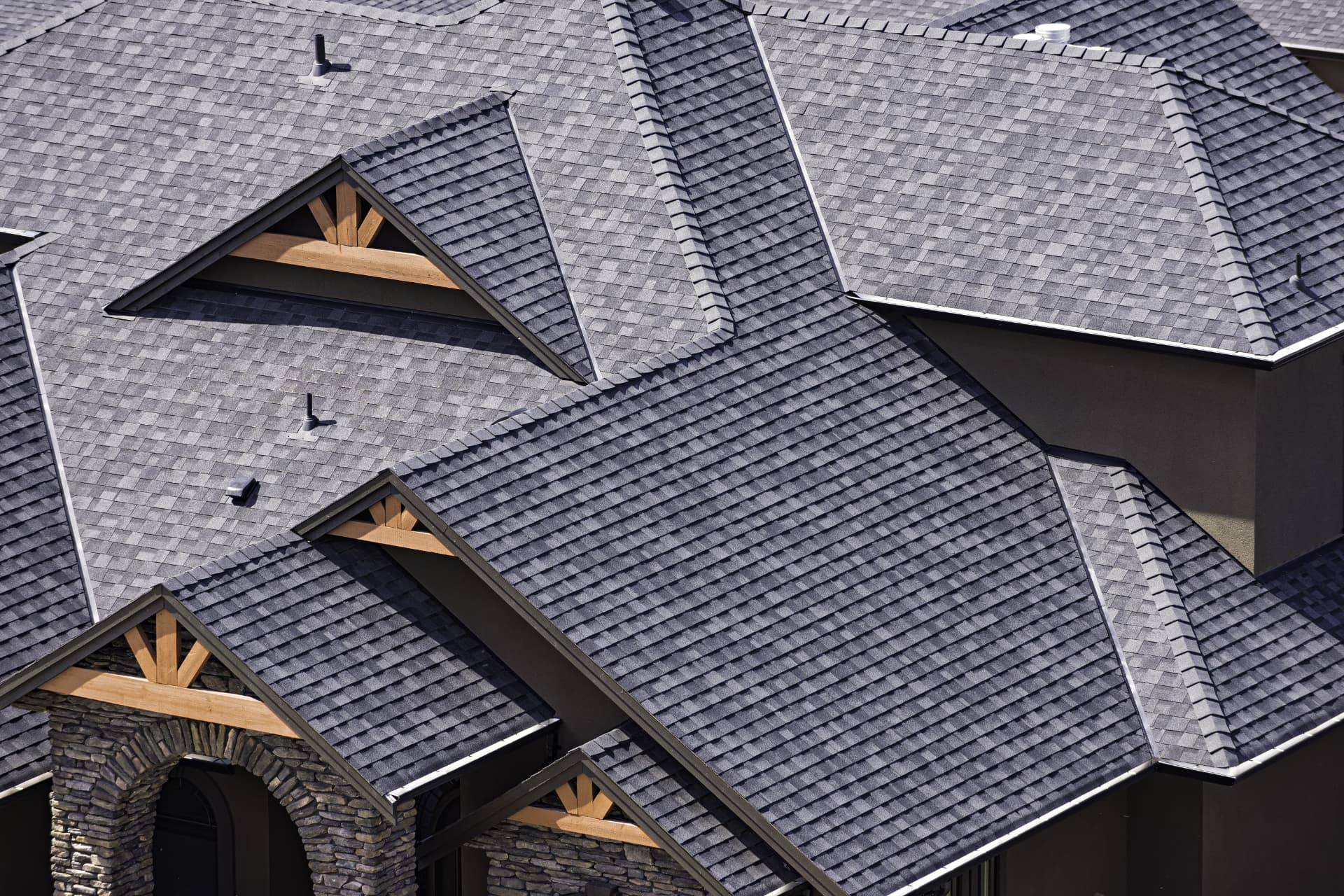
The Damage Record
What Is Roof Damage Documentation?
Evaluating roof damage can be frustrating when contractor estimates, smartphone photos, weather reports, municipal permits, and supporting records are scattered across email threads and PDF attachments.
ROOFAX roof damage documentation consolidates available evidence into a standardized, dated record so authorized stakeholders can understand:
- What was observed on the roof surface
- Where the condition is located, such as the slope, elevation, or component
- When it was documented, creating a dated baseline
- Who supplied the record, such as a public agency, property owner, contractor, or certified inspector
Independence Standard
ROOFAX does not sell roofing materials, perform repairs, replace roofs, or bid on roofing work. A ROOFAX damage report does not determine insurance coverage, causation, or claim payment. It provides a transparent physical record for informed property decisions and authorized insurance review.
Documentation Discipline
Observations vs. Conclusions
Observable
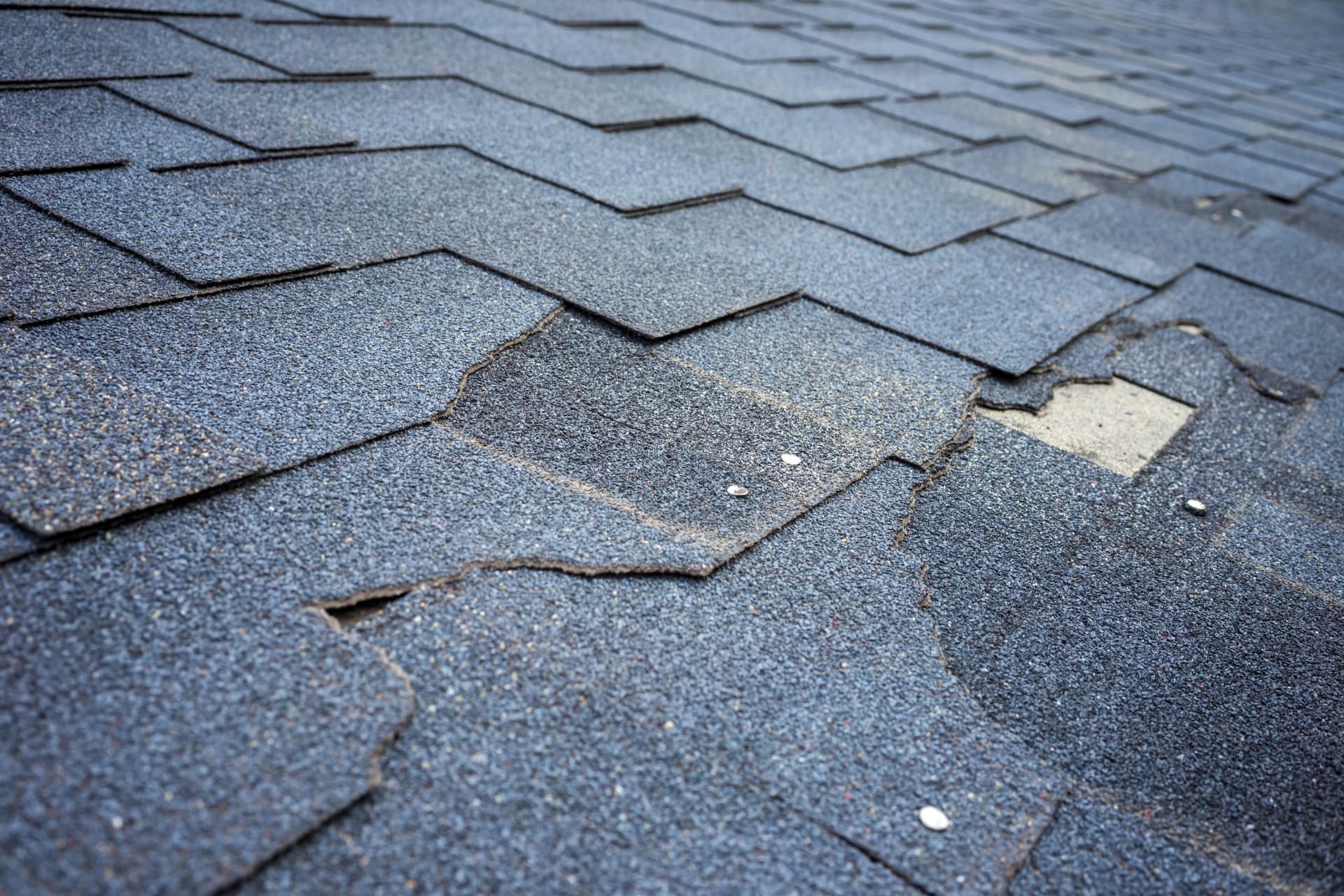
“Circular granule displacement with visible asphalt substrate on the west slope”
Avoid concluding
“Definite total loss from a specific hailstorm requiring full roof replacement”
Observable
“Creased shingle tab with an exposed fastener near the south eave”
Avoid concluding
“Insurance must approve the entire slope”
Observable
“Displaced counter-flashing along the masonry chimney abutment”
Avoid concluding
“Faulty installation by the prior roofer”
Present labeled evidence without unsupported sales, causation, or coverage claims.
Scope
Observable Conditions Documented
Tile 01
Surface & Roofing-Material Conditions
Missing, torn, unsealed, lifted, or creased materials; localized impacts; granule displacement; visible substrate fractures; cracking, blistering, and advanced weathering.
Tile 02
Flashing, Valleys & Critical Transitions
Displaced, rusted, or unseated flashing; valley-metal punctures; sealant conditions; debris accumulation; wall abutments and chimney-saddle conditions.
Tile 03
Penetrations, Fasteners & Ventilation
Deteriorated pipe boots, cracked storm collars, visibly unsealed vents, backed-out or overdriven fasteners, skylight-perimeter seal conditions, and visible condensation evidence.
Tile 04
Prior Repairs & Patchwork
Mismatched materials, incompatible-looking sealants, visible overlays, patchwork, or structural modifications. State permit status only when supported by available records.

Audiences
Who Uses ROOFAX Damage Documentation?
- Homeowners & Buyers: Establish a dated baseline before winter, following severe weather, during purchase due diligence, or before repairs alter observable conditions.
- Real Estate Professionals: Support inspection follow-up and objection discussions with clear, photo-backed documentation.
- Insurance Stakeholders: Review organized, dated records that distinguish observable impacts from pre-existing wear. ROOFAX does not determine coverage or claim outcomes.
- Property Managers: Maintain an ongoing condition record across one property or a portfolio, including inspection dates, submitted documents, and available repair history.
Service Area
Grand Junction & Mesa County Climate Baseline
Properties across Grand Junction, Fruita, Clifton, Palisade, and Redlands experience intense sunlight, high winds, localized hail events, temperature swings, and winter freeze-thaw cycles.
- Post-storm documentation: Record visible surface impacts before emergency protection or partial repairs alter the scene.
- Pre-listing due diligence: Give prospective buyers documented roof information before transaction deadlines.
- Historical baseline: Preserve dated observations before winter conditions and seasonal changes.
A dated record helps stakeholders compare later findings with the documented condition. It does not prove the date or cause of damage unless supporting evidence establishes that conclusion.
Answers
Frequently Asked Questions

Does a ROOFAX damage report state whether my roof has insurance storm damage?
ROOFAX documents observable physical conditions using labeled photography and component mapping. ROOFAX does not determine insurance eligibility, causation, or coverage; those decisions remain with the carrier and its authorized professionals.
Can I share a ROOFAX report with my insurance adjuster or agent?
Yes. Full reports include an on-screen web report and downloadable PDF. Reports may also be shared with authorized stakeholders through secure links that can expire or be revoked.
What is the difference between a damage report and a condition score?
A damage report focuses on specific localized impacts, defects, and affected components. A condition score provides a broader, rubric-based summary of documented roof condition and may include qualified remaining-service-life context when supported.
Organize Your Roof Evidence into One Independent Record
Whether preparing for real estate negotiations, insurance review, or routine property tracking, replace scattered files with a standardized, photo-documented ROOFAX report.